Find an NDIS Occupational Therapist
Connected with an OT practice for adults or children.
- Free
- No obligation
- AHPRA registered
We share your details with one provider at a time, never a list. Privacy policy
What Is NDIS Occupational Therapy?
NDIS occupational therapy is therapy from an AHPRA-registered occupational therapist, paid from a participant's plan, that builds the skills and sets up the equipment and home changes a person needs for everyday life: self-care, running a home, getting out, play, school, work and study.
For participants it's usually funded from the capacity building budget, under improved daily living, and charged by the hour up to the NDIA's price limits. OTs also write the assistive technology and home modification assessments the NDIA uses to decide on equipment and changes to the home.
They work with children and adults, including autistic people and people with sensory needs, at home, in the community, at school or work, in a clinic or by telehealth.
How it works
Three Steps to Talking With a Practice
Tell Us What You Need
Who it's for, their age, what they'd like help with, funding and postcode. About two minutes.
We Find a Practice
We pass your details to one occupational therapy practice that works with NDIS participants and may have space.
They Get in Touch
The practice contacts you to talk about goals, where sessions would happen, the cost and timing.
Your details only go to the practice we match you with. If they can't help, we'll find another. More about how it works
Everyday Life Is the Point
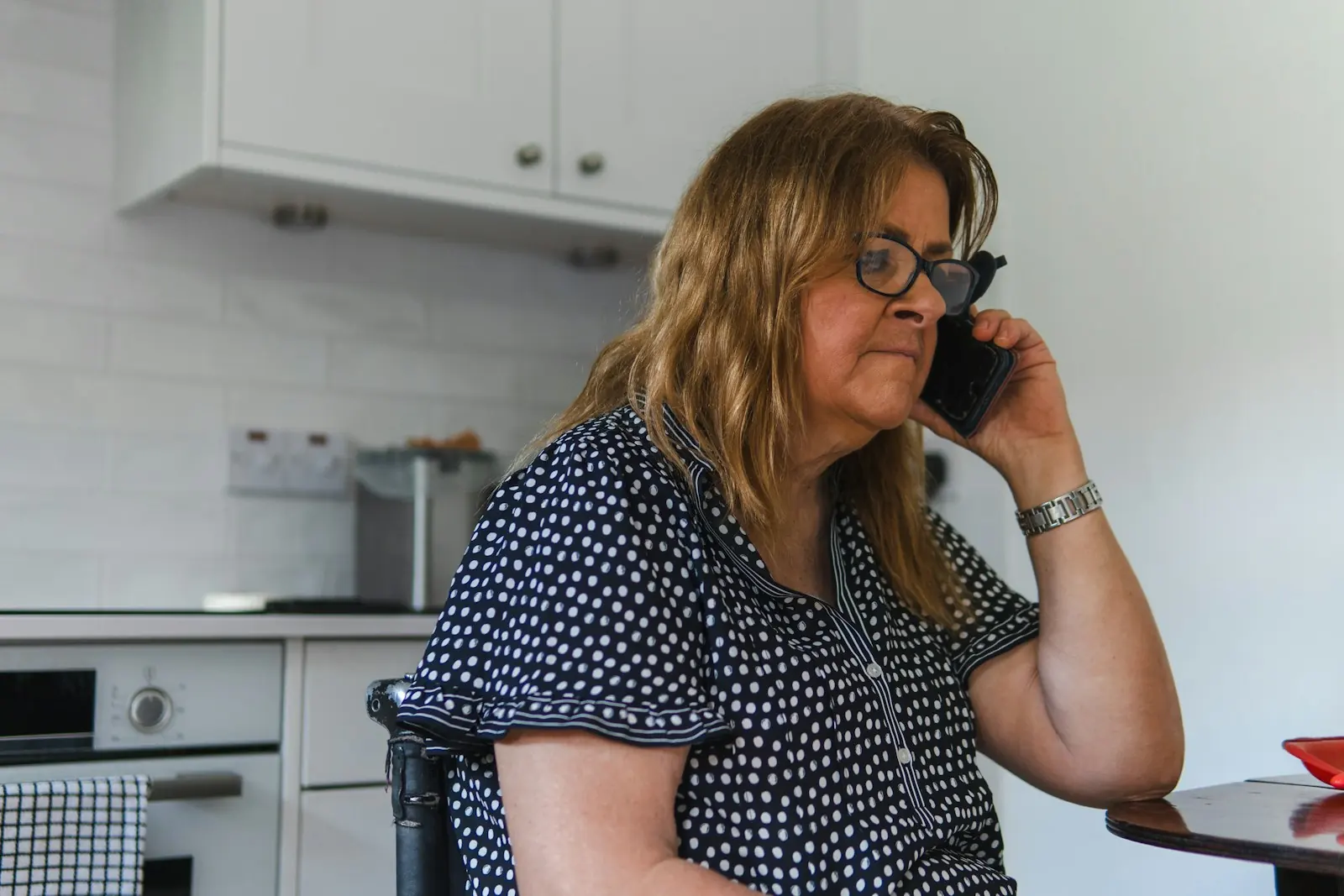
‘Occupation’ means everything you need and want to do in a day. An occupational therapist works on the parts that a disability makes harder.
Home and Daily Living
Self-care, cooking, routines and running a household.

Work and Study
Skills, equipment and set-up for the job or the classroom.

Family Life
Strategies the people around you can use every day.
NDIS Occupational Therapy Explained
Plain-English guides, checked against the NDIA's own pages and the NDIS Pricing Schedule.
- NDIS occupational therapyWhat it covers, which budget pays and how to get started.
- What an OT doesSkills, equipment and the home, for everyday life.
- What NDIS OT costsThe 2026-27 price limits, travel and reports.
- Finding an NDIS OTRegistered or not, and what to check before you start.
- Assistive technologyHow an OT helps with AT assessments, trials and quotes.
- Home modificationsWhy NDIS home modifications start with an OT.
Occupational Therapy for Children
Paediatric OTs work through play, and show parents, carers and teachers what helps between sessions.

Play and Development
Play, self-care and joining in with other children.

Sensory Needs
Reactions to sound, touch, light and movement, and regulation.

Fine Motor Skills
Using hands for drawing, eating, dressing and handwriting.
For Participants and Families
New plan, stuck on a waitlist, or your OT has stopped NDIS work? Tell us once and we'll pass it to an occupational therapy practice that may have space, instead of you ringing around.
Get matchedFor Support Coordinators
Send the participant's age, main need, plan management and goals. We pass it to an OT practice that may have space and let you know who's picking it up.
Refer a participantHow We Choose Practices
We only pass your details to practices that meet all of these.
- Occupational therapists registered with AHPRA, checked on the public register
- Experience working with NDIS participants
- Taking new clients for the person's age group and area, or by telehealth
- Agree to contact you promptly, and we check that they did
How NDIS OT Is Funded
For NDIS participants, occupational therapy usually comes from the capacity building budget, under improved daily living. Practices charge by the hour, and for NDIA-managed and plan-managed funding an occupational therapist can charge up to $193.99 an hour in most of Australia under the 2026-27 Pricing Schedule.
More on NDIS OT costsQuestions People Ask
Does it cost anything to use this service?
No. It's free for you. Practices pay us when we introduce them to someone, which is how we keep it free. Therapy itself is charged by the practice, within NDIS price limits if NDIA-managed or plan-managed funding pays.
Are you the NDIS, or an OT practice?
Neither. disabilityoccupationaltherapy.com.au is an independent service that connects people with occupational therapy practices. We're not part of the NDIA or the NDIS Quality and Safeguards Commission, and we don't provide therapy ourselves.
Does the NDIS pay for occupational therapy?
For participants, usually yes, from the capacity building budget under improved daily living, which the NDIA says funds assessments, training and therapies such as occupational therapy.
Does the OT have to be NDIS registered?
Only if the NDIA manages your funding. Self-managed and plan-managed participants can also use unregistered practices. Every OT must be registered with AHPRA.
Do you help with children and adults?
Yes. Tell us the person's age and we'll look for a practice that works with that age group.
I'm a support coordinator. Can I refer someone?
Yes. Use the referral form, or choose coordinator in the questions above. Please make sure the participant or their nominee has agreed to the referral first.
Ready to Find an OT?
It takes about two minutes, and it's free.